
Dragon Tiger is one of those tables that looks almost too simple until you see how quickly the rounds move. The dealer turns a single card on each side, the higher side wins, and the tie bet pays out only when both cards match exactly. For punters in Australia who prefer a fast, low-friction table without a long rulebook, that simplicity is the whole appeal. Before you commit any money, it helps to read an honest betfair review and compare how different regulated operators present the same game, because the rules stay identical while the menu, limits, and support can vary quite a bit.
How the Table Actually Plays Out
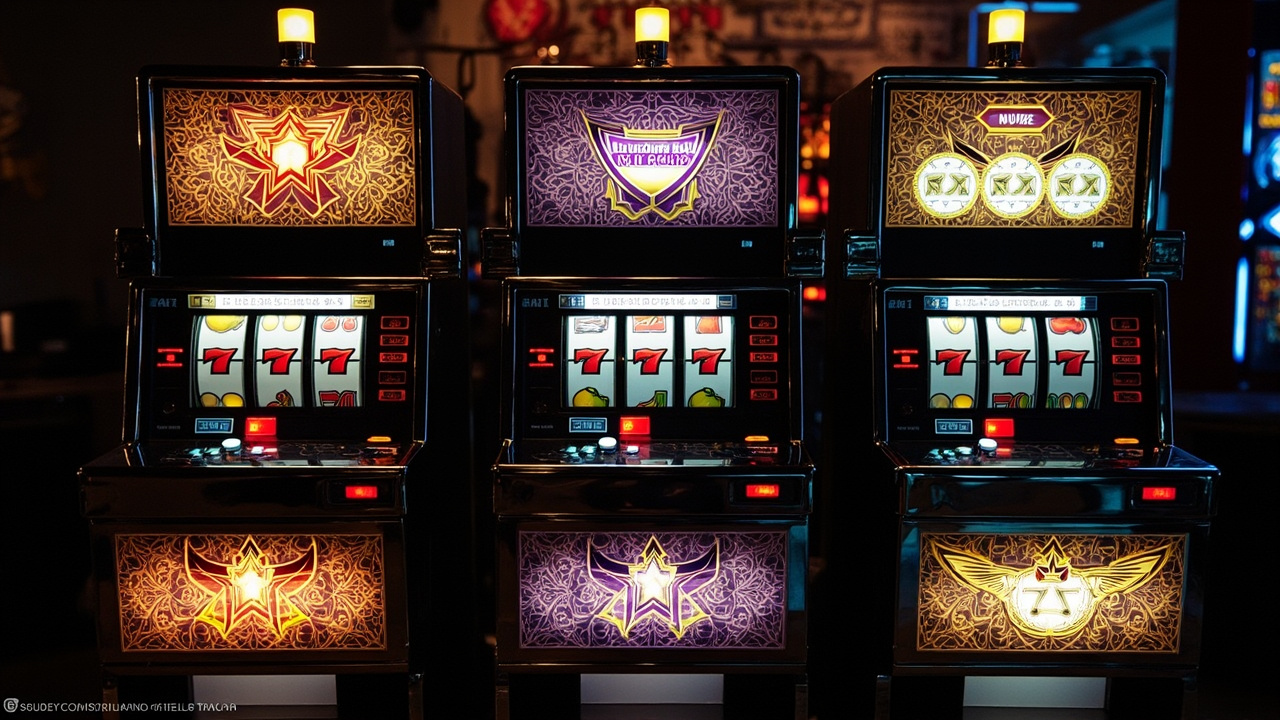
The core mechanic is a straightforward head-to-head between twomoney-train-4-au.com positions. The Dragon side and the Tiger side each receive one card, and the higher rank wins unless the values are identical. A tie bet pays at a much higher rate, but the frequency of ties is low enough that it behaves more like a side wager than a main strategy. For someone used to esports matchmaking, the comparison is useful: the outcome is quick and visible, but the underlying distribution still needs respect. In a Sydney pub or at home on a tablet, the pace can feel almost brisk on a quiet arvo, and that speed is exactly what draws players who want a round that does not drag on. The table layout usually keeps the main bets prominent and the tie bet clearly separated, which helps avoid accidental wagers when you are still learning the rhythm.
If the ranks match, the hand is declared a push and all wagers are returned. Players can explore additional game rules and platform insights at honest betfair review. This simple structure allows for quick rounds and straightforward betting strategies.
| Bet type | Typical payout | Practical note |
|---|---|---|
| Dragon | 1 to 1 | Main side, even-money outcome |
| Tiger | 1 to 1 | Main side, even-money outcome |
| Tie | 8 to 1 or 11 to 1 | Higher pay, lower hit rate |
The side bet is where the maths gets less forgiving, because the higher payout is balanced by a much smaller chance of landing it. A practical example for an ordinary Australian reader is simple: if you are treating the session like a short break between errands, the main bets keep the rhythm predictable, while the tie wager is the sort of spin you take occasionally rather than build a plan around. That distinction matters more than the flashy pay table suggests, especially when you are watching a dealer cycle through hands quickly and the numbers start to blur.A Practical Guide To Casino Games
Where This Table Fits a Player’s Routine
The game suits a couple of player-fit scenarios more than others. First, it works for someone who wants a fast table that does not require tracking complex rules or side conditions across multiple rounds. Second, it suits a player who is comfortable with even-money betting and understands that the tie payout is a rare event, not a regular feature. Third, it can suit a casual session where the goal is a short, self-contained run rather than a long grind. In my experience bridging esports operations and iGaming product work, the tables that hold attention best are the ones that make the next decision obvious within a few seconds, and Dragon Tiger does that by keeping the board uncluttered. That does not make it more profitable, but it does make it easier to use when you know what you want from the session.
For a Sydney-based punter grabbing a few minutes after work, the table can feel like a clean break from slower games, provided the stakes match the mood rather than chasing a big swing. The risk is that the speed can make a short losing run feel longer than it is, so the fit works best when the pace is a feature you want, not a trap you ignore. A sensible approach is to decide the session length first, then let the table’s speed sit inside that limit instead of letting the table set the pace for you.
Bonus Mechanics, Payments, and Everyday Usability
The everyday usability of a casino platform matters just as much as the table itself, because a smooth menu and clear payment flow shape how often you actually return. A compact operator in this space tends to keep registration short, show the table limits plainly, and let you switch between desktop and mobile without relearning the layout. Payments usually sit in a small set of common options, with withdrawals following the same path in reverse, though the timing depends on the method and the operator’s own checks. Bonus mechanics are often tied to first deposits or reload offers, but the important detail is how the terms apply to table games, because a bonus that looks generous on the surface can be less useful if the wagering applies in a way that does not suit a fast table player. Loyalty features, where they exist, usually reward regular activity rather than one-off sessions, so they fit better as a background perk than the reason to play.
When the interface respects your time, you spend less energy navigating and more time focusing on the game. Even a compact operator knows that clear rules and quick access build trust faster than flashy bonuses. You can see this approach in action when you [check their game selection]https://allergyknowledge.com/articles/casino-spellen-gli.
If you are comparing operators, it helps to check how the same game is presented across menus, since the rules do not change but the limits, bet minimums, and support channels can. A practical detail for an Australian player is that the payment and verification steps should feel ordinary and documented, not buried in vague promises. The best fit is usually the operator that makes the whole path from deposit to table to withdrawal readable, because that clarity matters more than a headline offer when you are actually using the site on a weeknight.
Responsible Play and What to Watch For
The most useful judgement call here is to treat speed as a design feature, not a recommendation to play faster. Dragon Tiger can be engaging because each round resolves quickly, but that same pace can make it easier to keep going past the point you intended. A good session plan is to set a time limit and a loss limit before you start, then leave both alone while you are playing. That is the same kind of discipline I have seen work in competitive operations, where the structure around the activity matters more than the activity itself. It also helps to remember that the game is one of chance, and no pattern in the last few hands changes the next one.
If you are playing from Sydney or anywhere else in Australia, the operator you choose should be clear about where it holds its licence and how it handles responsible-play tools, rather than leaving you to guess. The practical habit that helps most is checking the terms before you deposit, especially around table eligibility and any limits that apply to withdrawals, so the offer matches the way you actually play. A short allergy-aware break from screens is also worth keeping in mind if you are sensitive to long sessions, and a practical guide to casino games and allergy-aware play can be a useful reminder that comfort and focus matter as much as the bet itself. No operator can make the outcomes kinder, but a clear setup and a firm stop point make the session easier to manage.